
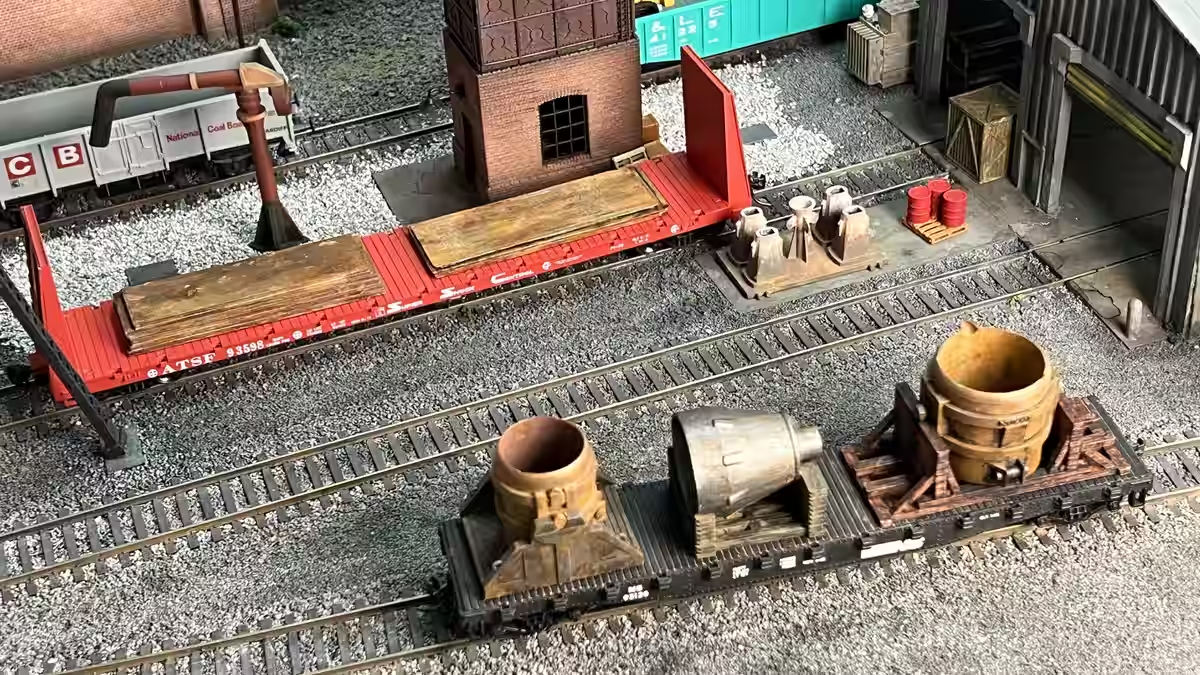
Build a Steel Mill That Actually Feels Alive
If your steel mill scene looks good but feels “off,” it’s usually not the buildings — it’s the trains. Steel mills generate constant rail traffic, and that movement is driven by what’s on the cars.
Choosing the right HO scale steel mill car loads transforms your layout from static to believable. This guide breaks down the most realistic load types, how they’re used in real operations, and how to model them effectively, essentially, the best HO scale steel mill car loads.
What Makes a Steel Mill Train Realistic?
Before jumping into specific loads, here’s what matters:
- Purpose-driven loads — every car should have a reason to be there
- Variety — mills don’t ship the same thing over and over
- Weight and scale presence — steel = heavy, oversized, industrial
- Operational flow — inbound raw materials, internal movement, outbound finished products
1. Molten Metal & Ladle Loads (The Heart of the Mill)
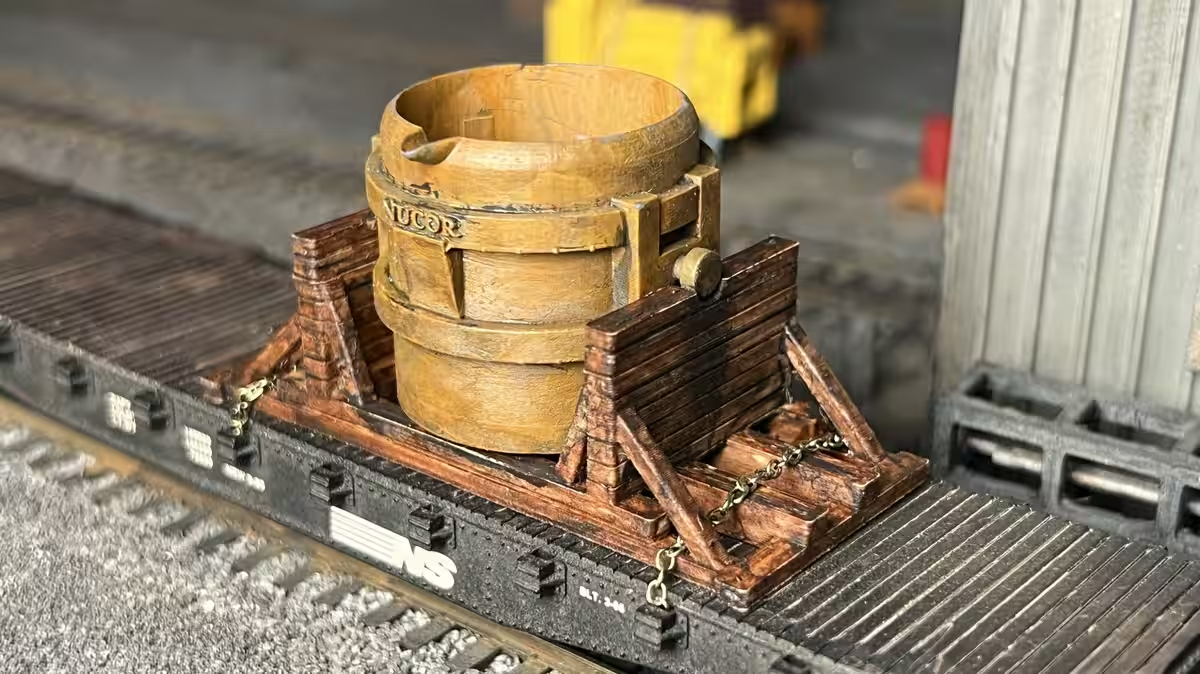
These are some of the most iconic steel mill loads.
What they represent:
- Molten iron or steel moving between blast furnace, BOF, and casting areas
How to use them:
- Place near furnace buildings or slag pits
- Run them as short, dedicated consists
- Pair with idler flats or spacer cars
Why they matter:
- Instantly signals “this is a working steel mill”
- Adds visual weight and operational realism
2. Steel Slabs, Billets & Ingots (Outbound Production)
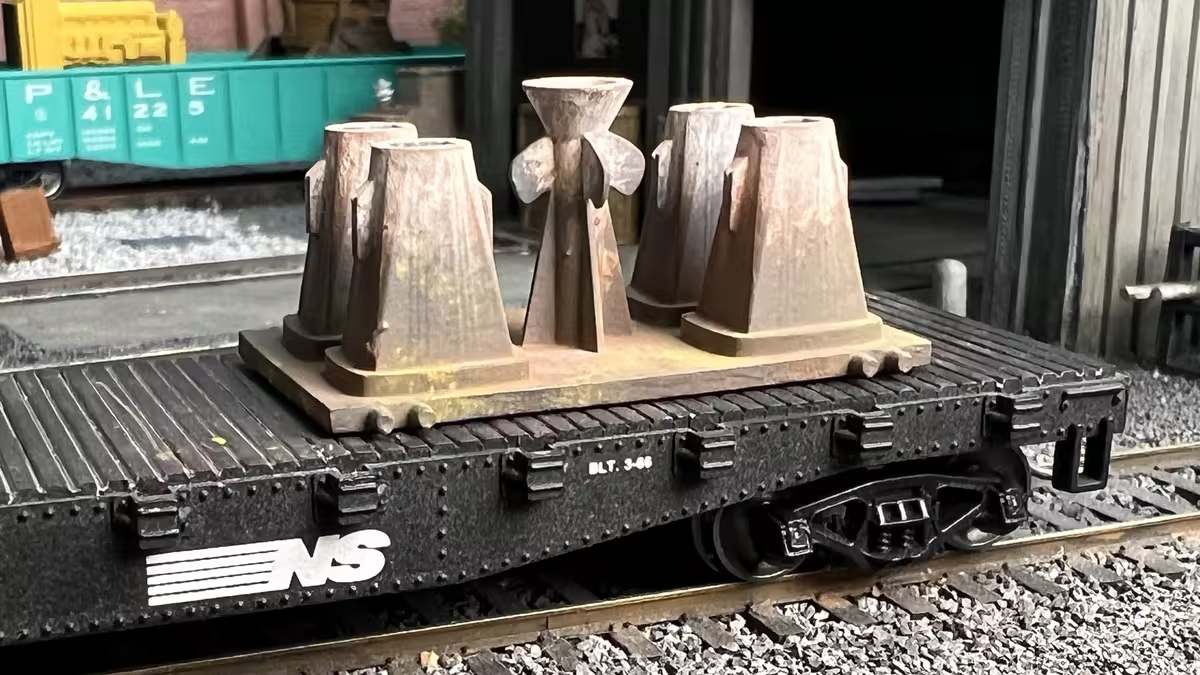
These represent finished or semi-finished steel in ingot form
What they represent:
- Slabs for rolling mills
- Billets for further processing
- Ingots for transport or storage
How to use them:
- Load onto flat cars or gondolas
- Run as outbound trains leaving the mill
- Mix load types for realism
Why they matter:
- Creates a clear story — the mill is producing something
3. Heavy Equipment Loads (Maintenance & Industrial Moves)
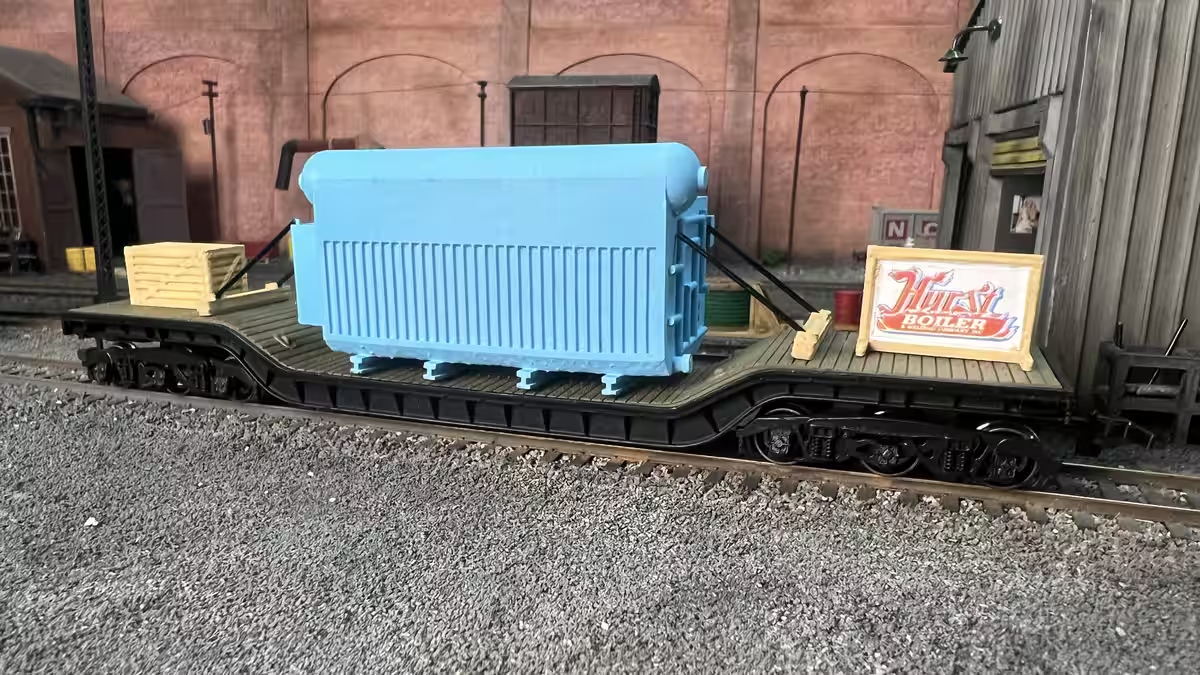
One of the most overlooked — and most powerful — categories.
Examples:
- Transformers
- Industrial generators
- Large gear assemblies
- Furnace components
- Boilers and pressure vessels
What they represent:
- Equipment delivery, upgrades, or repairs
- Major shutdown or rebuild events
How to use them:
- Place on flat cars with cradles and tie-downs
- Spot near maintenance shops or staging areas
- Run as special or slow-moving trains
Why they matter:
- Adds variety and breaks repetition
- Makes your railroad feel like part of a larger industrial network
4. Scrap & Raw Material Loads (Inbound Traffic)
Steel mills don’t just ship — they receive.
What they represent:
- Scrap metal
- Pig iron
- Raw inputs for steelmaking
How to use them:
- Gondolas filled with scrap
- Inbound trains arriving at the mill
- Stage near unloading areas or cranes
Why they matter:
- Completes the operational loop
- Adds realism beyond just outbound loads
5. Empty Flat Cars (Used Correctly)
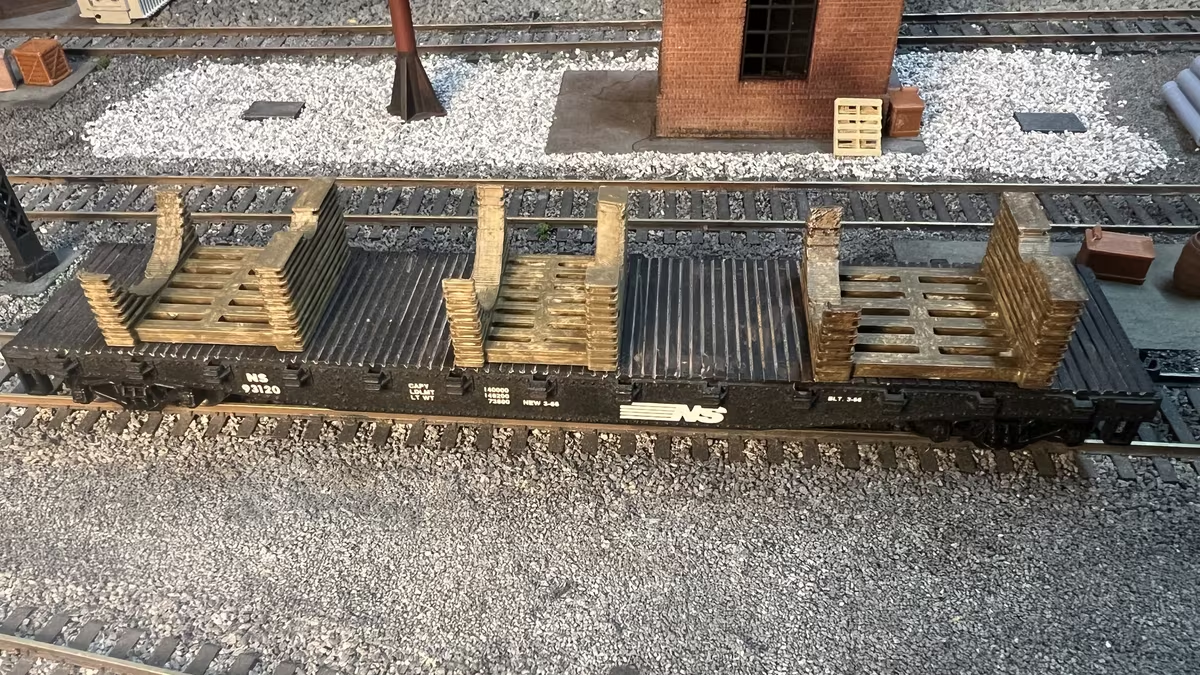
Empty cars are just as important — when used right.
How to use them:
- Position as inbound cars waiting for loads
- Stage in yards or sidings
- Mix with loaded cars in consists
Common mistake:
- Too many empties with no purpose
Fix:
- Always imply they are either going to be loaded or just delivered something
How to Combine Loads for Realistic Trains
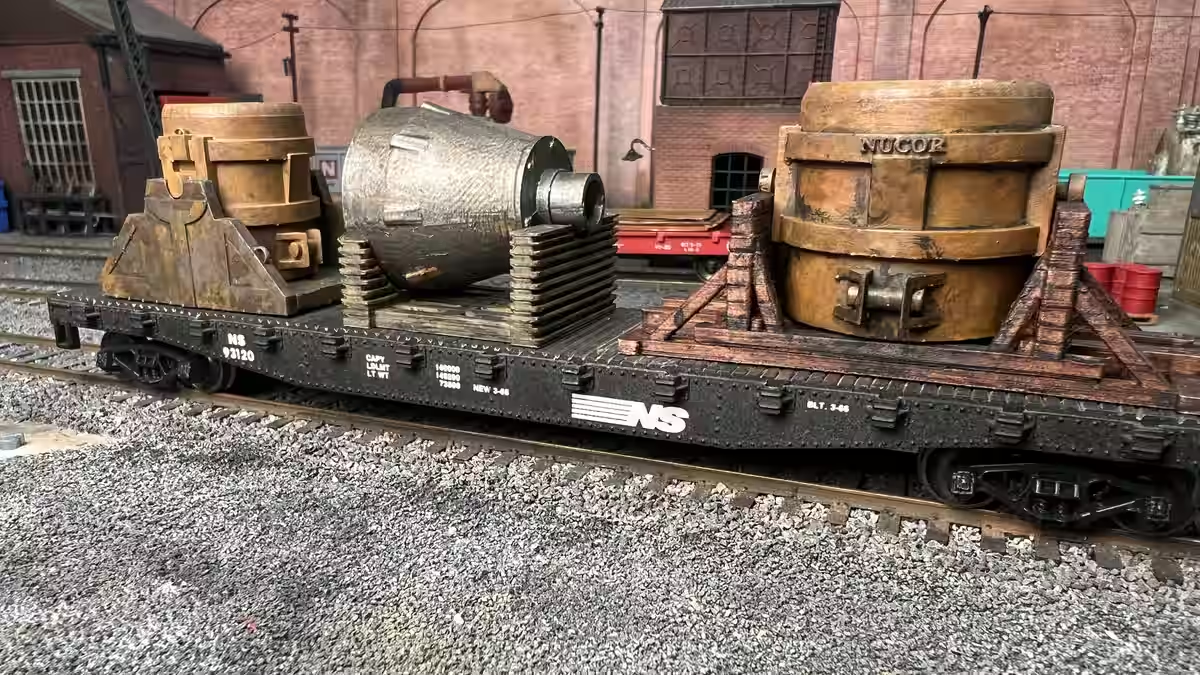
Instead of running identical cars, mix them:
Example consist:
- 2 × slab loads
- 1 × ladle car
- 1 × heavy equipment load
- 2 × empty flats
This creates:
- Visual interest
- Operational logic
- A more believable train
Common Mistakes to Avoid
- Running identical loads on every car
- Using loads with no clear purpose
- Ignoring inbound traffic
- Overloading every car (real railroads mix empties and loads)
- Keeping everything too clean — steel mills are dirty environments
Bringing It All Together on Your Layout

A realistic HO scale steel mill isn’t about having more track or more buildings — it’s about movement and purpose.
When your trains include:
- Molten metal transfers
- Outbound steel products
- Heavy industrial equipment
- Inbound raw materials
…your layout starts to feel like a working system, not just a display.
Build a More Realistic Steel Mill Scene
If you’re looking to add realistic HO scale steel mill car loads to your layout, explore the full range here:
HO Scale Steel Mill
You’ll find a growing selection of:
- Steel mill loads
- Heavy industrial flat car loads
- 3D printed freight details designed specifically for HO scale realism
